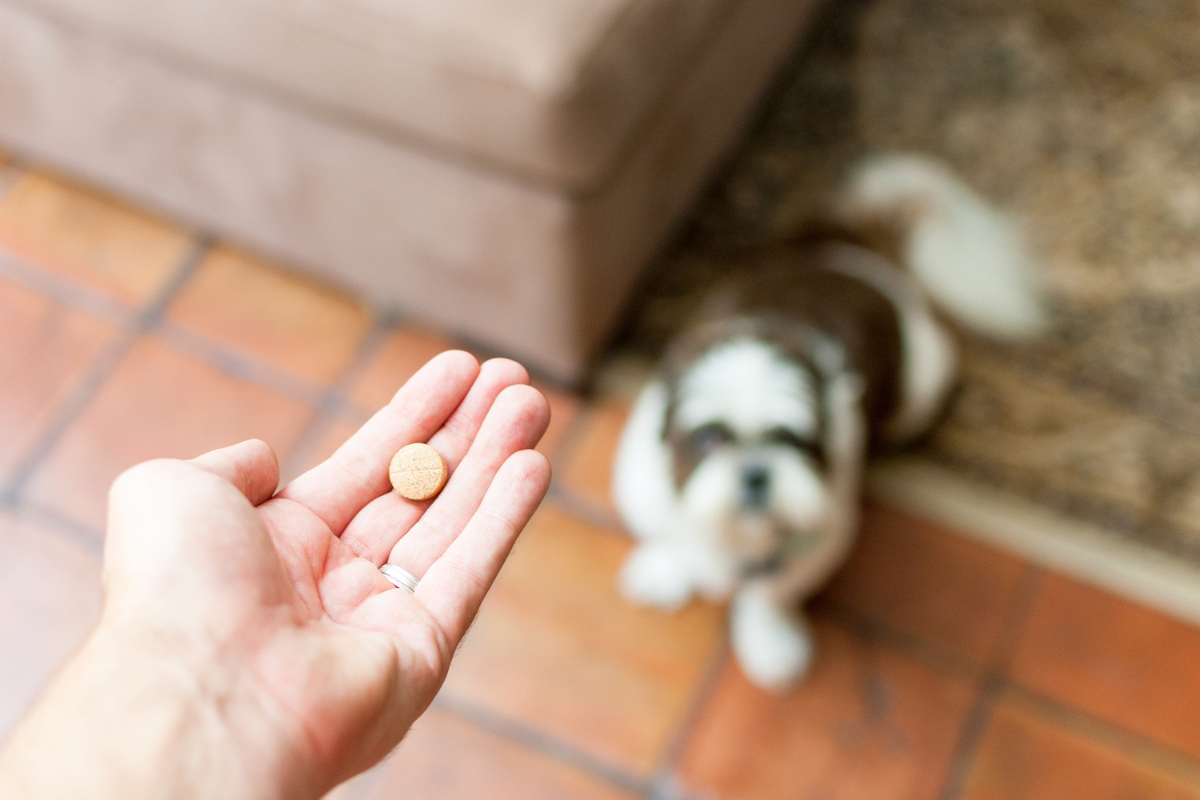
When a pet is hurting, non-steroidal anti-inflammatory drugs (NSAIDs) are often the frontline defense. They relieve pain, reduce swelling, and lower fevers. However, veterinary medicine has moved well beyond a “one-size-fits-all” approach.
Different NSAIDs target different physiological pathways, vary widely in cost, and carry distinct safety profiles. Here is a breakdown of how common veterinary NSAIDs compare, which conditions they treat best, and how newer clinical research is expanding their roles into veterinary oncology.
How Veterinary NSAIDs Differ
Traditional NSAIDs inhibit cyclooxygenase enzymes (COX-1 and COX-2):
- COX-1 supports essential homeostatic functions like stomach lining protection, platelet aggregation, and renal blood flow.
- COX-2 is primarily induced by tissue injury and drives pain and inflammation.
Modern veterinary medications are formulated to preferentially or selectively target COX-2 (or bypass COX enzymes entirely to hit specific downstream prostaglandin receptors), maximizing pain control while minimizing damage to the gut, liver, and kidneys.
Carprofen (Rimadyl, Novox, Quellin)
- Primary Uses: Post-surgical pain (orthopedic and soft-tissue) and chronic osteoarthritis.
- Efficacy: High. Decades of clinical use make it the standard benchmark for post-op recovery and joint pain.
- Safety: Well-tolerated overall. Potential side effects include mild-to-moderate gastrointestinal upset and rare idiosyncratic liver toxicity. Baseline and routine blood chemistry profiles (every 3 to 6 months) are required.
- Cost: Low to Moderate. Widespread generic availability makes carprofen one of the most budget-friendly daily options.
Meloxicam (Metacam)
- Primary Uses: Osteoarthritis flare-ups, acute musculoskeletal injuries, and short-term post-op pain. (Also used off-label in feline medicine under strict, micro-dosed protocols or as a single perioperative injection).
- Efficacy: High. Formulated frequently as a palatable liquid suspension, allowing precise weight-based titration for small dogs.
- Safety: Moderate. Preferentially targets COX-2, but can precipitate gastric ulceration or renal stress if dosed inaccurately or administered to dehydrated patients.
- Cost: Low to Moderate. Readily available as an affordable generic.
Grapiprant (Galliprant)
- Primary Uses: Canine Osteoarthritis (mild, moderate, and severe). Note: Not labeled or effective for acute post-surgical pain or oncology.
- Efficacy: Moderate to High for chronic arthritic stiffness.
- Safety: Highest GI and renal safety profile. Galliprant is an EP4 prostaglandin receptor antagonist (PRA) rather than a COX inhibitor. It blocks only the specific receptor mediating OA pain and inflammation while leaving both COX-1 and COX-2 enzymes active to protect the gut and kidneys.
- Cost: High. Brand-name exclusivity makes ongoing daily administration costly.
Deracoxib (Deramaxx) & Firocoxib (Previcox)
- Primary Uses: Post-operative orthopedic surgery, chronic osteoarthritis, and increasingly, veterinary oncology.
- Efficacy: Very high. Both are COX-2 selective, providing robust anti-inflammatory coverage for severe joint disease and high-trauma surgical repairs (such as TPLO or cruciate stabilization).
- Safety: Good. By sparing COX-1, they generally carry a reduced risk of gastric mucosal erosion compared to older non-selective NSAIDs, though standard renal and GI precautions remain necessary.
- Cost: Moderate to High.
Oncology Focus: Deramaxx for TCC / UCC
Transitional Cell Carcinoma (TCC)—also known as Invasive Urothelial Carcinoma (UCC/InvUC)—is the most common cancer of the canine urinary bladder. Canine TCC cells strongly overexpress the COX-2 enzyme, meaning COX inhibition does not just control local pain and dysuria; it actively halts tumor proliferation and induces apoptosis (cancer cell death).
While non-selective piroxicam was long the standard medical choice, studies led by veterinary oncologists (notably from Purdue University’s comparative oncology group) have evaluated deracoxib (Deramaxx) as an effective, better-tolerated therapy for TCC/UCC:
- Antitumor Efficacy: Clinical trials demonstrate that deracoxib alone achieved disease control (tumor shrinkage or stable disease without progression) in over 85% of dogs with established TCC, with a median survival time exceeding 320 days.
- Early-Stage Intervention: Newer screening and early-intervention trials in high-risk breeds (such as Scottish Terriers) showed that initiating deracoxib at early detection stages yielded an objective remission rate (complete + partial remission) of 42%, outperforming historical averages for late-stage interventions.
- Tolerability Advantage: Because deracoxib selectively spares COX-1, it significantly reduces the incidence of severe stomach ulceration and renal strain frequently seen with lifelong, non-selective piroxicam therapy.
Piroxicam (Feldene)
- Primary Uses: Oncology protocols, particularly bladder/urethral TCC, prostatic carcinoma, and oral squamous cell carcinomas.
- Efficacy: Proven historical track record as an antitumor and palliative agent.
- Safety: Low / High Risk. As an older non-selective COX inhibitor, it carries a high risk of stomach ulcers and GI bleeding. Pets often require co-administration with gastroprotectants (like omeprazole or misoprostol) alongside strict monitoring.
- Cost: Low. Inexpensive generic human medication compounded for veterinary patients.
Comparison Table
| Medication | Mechanism | Primary Clinical Target | Oncology Role (TCC/UCC) | Safety & Tolerability | Relative Cost |
| Carprofen (Rimadyl) | COX-2 Preferential | Post-op surgery, chronic OA, sprains | Minimal / unstudied | Standard (routine blood panels needed) | $ (Generic) |
| Meloxicam (Metacam) | COX-2 Preferential | Arthritis, soft-tissue injury, small breeds | Occasional off-label use | Standard (liquid provides precise dosing) | $-$$ (Generic) |
| Grapiprant (Galliprant) | Non-COX (EP4 Receptor Blocker) | Chronic osteoarthritis only | None | Highest (spares homeostatic COX pathways) | $$$$ (Brand-only) |
| Deracoxib (Deramaxx) | COX-2 Highly Selective | Orthopedic recovery, moderate-to-severe OA | High (85%+ clinical benefit rate; 42% early remission) | Enhanced (COX-1 sparing; gentler on stomach) | $$-$$$ |
| Piroxicam | Non-selective COX Inhibitor | Canine bladder & oral epithelial cancers | Historical Standard (high tumor response) | Narrow Margin (frequent GI ulcer risk) | $ (Compounded generic) |
Essential Safety Reminders for Pet Parents
- Avoid Human Medicine Cabinets: Never administer human over-the-counter NSAIDs (such as ibuprofen, naproxen, or aspirin) or acetaminophen to pets. Canine and feline metabolic pathways cannot safely process them, frequently resulting in fatal gastric perforation or acute organ failure.
- Respect the “Washout Period”: Never switch your pet from one NSAID directly to another (or transition between an NSAID and a steroid like prednisone) without a vet-directed 5- to 7-day washout period. Concurrent or overlapping use severely compounds the risk of gastrointestinal ulceration and perforation.
- Administer with Meals: Giving veterinary anti-inflammatories alongside a full meal provides a protective physical buffer for the stomach lining.
Leave a Reply