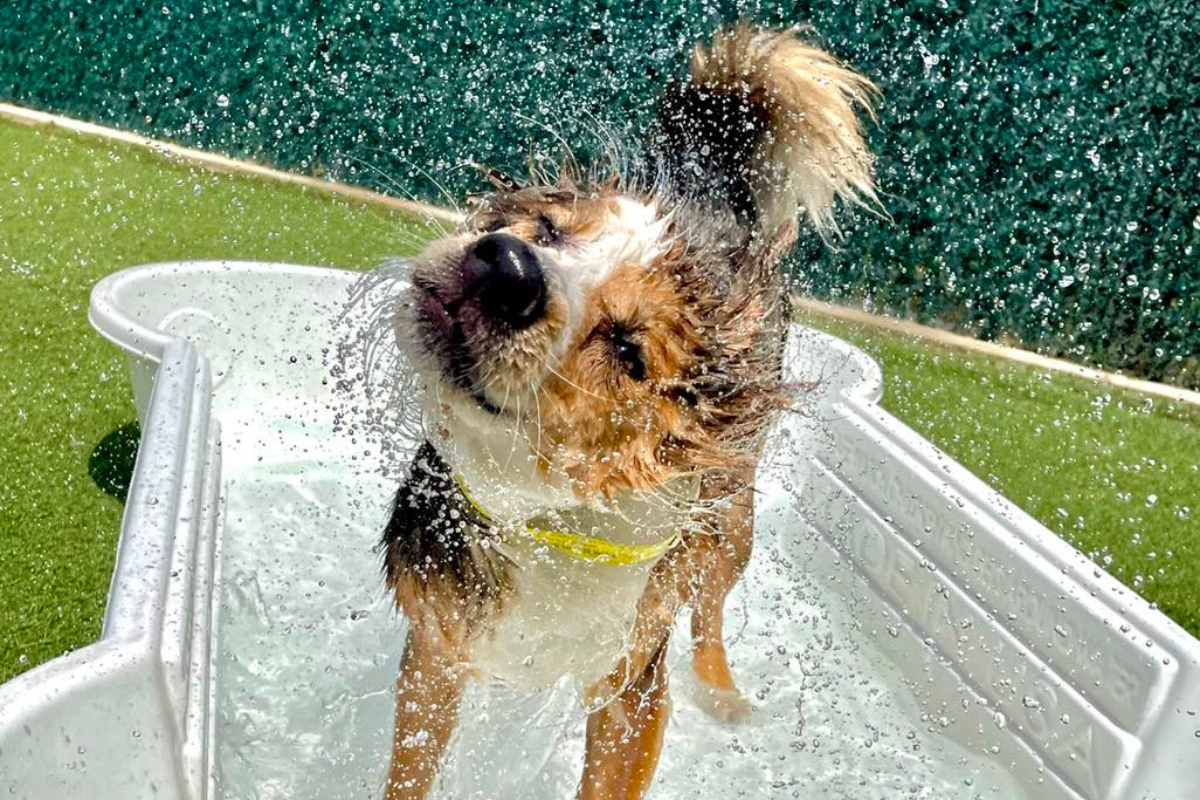
Summertime brings sunshine, beach days, and outdoor adventures—but for our furry friends, rising temperatures can also bring serious health risks. Dogs are more susceptible to heat-related illnesses than humans because they can’t sweat like we do. As pet parents, it’s our responsibility to ensure they stay safe, cool, and comfortable during the warmer months.
In this guide, we’ll walk you through how to prevent overheating, recognize the signs of heat stress, and take action if your dog shows symptoms of overheating. We’ve also included a handy temperature chart to help you gauge safe outdoor conditions.
How to Prevent Your Dog from Overheating
- Avoid peak heat hours: Walk your dog early in the morning or later in the evening when temperatures are cooler.
- Provide plenty of shade and fresh water: Whether in your backyard or at the park, ensure your dog has access to shade and a constant supply of cool water.
- Never leave your dog in a parked car: Even with windows cracked, temperatures inside a car can skyrocket within minutes.
- Use cooling products: Cooling vests, mats, and bandanas can help keep your dog’s body temperature in check.
- Limit outdoor exercise on hot days: Keep activities short and opt for shaded areas. Hot pavement can burn your dog’s paws—if it’s too hot for your hand, it’s too hot for them.
Signs Your Dog May Be Overheating
Dogs don’t sweat like we do; they cool themselves primarily through panting. When panting isn’t enough, their body temperature can rise quickly.
Warning signs of heat stress or heatstroke include:
- Excessive panting or drooling
- Bright red or pale gums
- Rapid heartbeat
- Lethargy or confusion
- Vomiting or diarrhea
- Uncoordinated movements
- Collapse or seizures
What to Do If You Think Your Dog is Overheating
- Move your dog to a cool, shaded area immediately.
- Offer small amounts of cool (not ice-cold) water.
- Wet their body with cool water, especially the belly, armpits, and paw pads. You can use a wet towel or gently pour water over them.
- Use a fan or air conditioning to help lower their temperature.
- Contact your veterinarian right away. Even if your dog seems to recover, heatstroke can cause internal damage that requires medical attention.
“Feels Like” Temperature Guide for Dogs
Dogs experience heat differently than humans, especially breeds with short noses (like Bulldogs or Pugs), thick coats, or underlying health issues. Use this chart as a guide to plan your dog’s outdoor activities.
| Feels Like Temperature | Risk Level | Outdoor Activity Advice |
| Below 75°F (24°C) | Low | Safe for most dogs. Monitor during exercise. |
| 75–85°F (24–29°C) | Moderate | Take breaks often; provide water and shade. |
| 86–95°F (30–35°C) | High | Limit outdoor time; avoid intense activity. |
| 96–105°F (35–40°C) | Very High | Only brief potty breaks; use cooling gear. |
| Over 105°F (40°C) | Extreme | Dangerous! Keep dogs indoors and cool. |

Extra Tips for Hot Weather Safety
- Consider other factors: Factors such as availability of shade, and wind can have an impact on the feels like temperature as well.
- Try to exercise 1st thing in the morning: Doing outdoor exercise before the sun has a chance to heat up the ground could help reduce risk of heat stress.
- Keep their feet safe: Always check the temperature of the asphalt or concrete with your hand or bare feet. Dogs feet can easily get 3rd degree burns on hard surfaces during the summer months.
- Know your breed’s limits: Brachycephalic breeds, older dogs, and puppies are especially vulnerable to heat.
When in Doubt, Call Your Vet
Even mild signs of overheating can escalate quickly. When in doubt, always contact your veterinarian. Quick action can save your dog’s life. At Waggie Pet Zone, we care about your pets as much as you do. Keeping them happy, healthy, and safe in every season is our top priority!
Leave a Reply