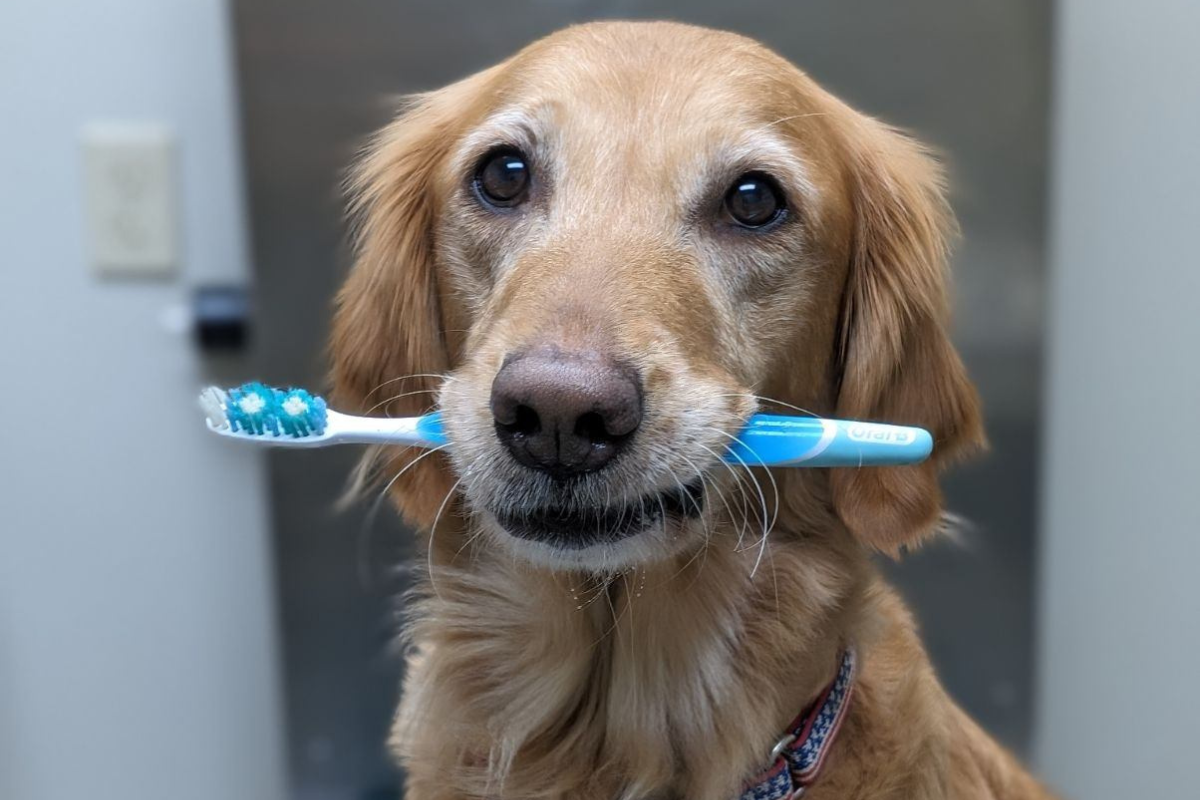
Did you know that dental disease is one of the most common health issues affecting dogs? Just like humans, your dog’s oral health can impact their overall well-being. Routine dental care provided by your veterinarian is essential for preventing painful conditions like gingivitis, periodontal disease, and even more serious systemic issues like kidney, liver or heart disease.
At Waggie Pet Zone, we believe that good dental hygiene is a crucial part of your dog’s health routine. Here’s everything you need to know about taking care of your dog’s teeth and gums.
Why is Dental Health Important for Dogs?
Dental disease begins with the buildup of plaque and tartar on your dog’s teeth. Over time, this can lead to gingivitis (inflammation of the gums) and progress to periodontal disease, which can cause tooth loss and pain. Dogs with untreated dental disease often experience pain when eating, chewing, or even swallowing. Regular dental care helps prevent this discomfort. In addition to discomfort, dental disease can have serious consequences beyond the mouth. Bacteria from infected gums can easily enter the bloodstream, affecting organs like the heart, kidneys, and liver. Dental disease is the most common cause of bad breath in dogs. Regular brushing and checkups can help keep your dog’s breath fresh and their mouth clean.
Key Steps in Maintaining Your Dog’s Dental Health
1. Daily Brushing
Brushing your dog’s teeth is the most effective way to prevent plaque buildup, which can lead to tartar and gum disease. Use a dog-friendly toothbrush and enzymatic toothpaste (never use human toothpaste, as it can upset your dog’s stomach). Aim to brush your dog’s teeth daily or at least a few times a week.
Tip: Start brushing when your dog is young, or gradually introduce them to the process. Positive reinforcement (like treats and praise) will help your dog feel comfortable with brushing.
2. Dental Chews & Toys
Dental chews and toys are designed to help reduce plaque and tartar buildup through chewing action. Many products are also flavored to appeal to your dog, making tooth care a little more fun. Choose vet-approved dental chews that are the right size for your dog. Too hard or too small can cause broken teeth or choking hazards. Always supervise your dog while they chew.
Tip: Chewing on toys like rubber or nylon bones can also help stimulate saliva production, which naturally helps clean teeth.
3. Regular Veterinary Check-ups
Even with daily brushing, your dog may needs regular professional dental cleanings to maintain optimal oral health. During a routine exam, we will check your dog’s teeth and gums for signs of disease, and we may recommend a professional dental cleaning if there is significant plaque or tartar buildup.
Tip: Dogs don’t always show obvious signs of dental discomfort, so annual dental exams are important, especially for older pets.
4. Healthy Diet
A healthy low-carbohydrate diet contributes to overall dental health. Dogs are carnivores and were specially adapted to eat fresh raw meat and bones. Dry kibble diets are typically high in grains and other carbohydrates. Carbohydrates can influence tartar (or dental plaque) buildup in a few key ways, and understanding this relationship can help you manage your pet’s dental health more effectively.
Carbohydrates Provide Fuel for Bacteria
- Bacterial Growth: The primary mechanism by which carbohydrates influence tartar buildup is through their role as a food source for oral bacteria. When carbohydrates (especially sugars) are left on the teeth after eating, bacteria in the mouth feed on them. These bacteria produce acids as a byproduct of breaking down the sugars, which can lead to the formation of plaque.
- Plaque Formation: Plaque is a sticky film of bacteria that forms on the teeth. Over time, if plaque is not removed through brushing or chewing, it can harden into tartar (calculus). The more carbohydrates a pet consumes, especially those that stick to the teeth (like dry kibble), the more fuel bacteria have to create plaque.
- Reduced Saliva Production: High-carb diets can also influence the production of saliva, which is crucial for naturally cleaning teeth and neutralizing acids produced by bacteria. If a diet doesn’t support good saliva production, tartar buildup may accelerate, as saliva typically helps wash away food particles and plaque.
Refined Carbohydrates Are Particularly Problematic
- Simple Sugars: Simple sugars and refined carbs, which are found in many processed foods, are particularly prone to sticking to the teeth and feeding bacteria. Dogs and cats that consume diets high in sugary or carbohydrate-rich foods may experience faster plaque accumulation compared to those on a more protein-based or lower-carb diet.
- Starchy Foods: Foods like dry kibble, which often contain starchy ingredients, can also contribute to plaque buildup because these carbohydrates break down into sugars in the mouth. These sugars feed bacteria, especially if the pet’s teeth are not being cleaned effectively.
Texture of Food and Cleaning Effect
- Chewing vs. Soft or Sticky Foods: Harder foods like raw bones or dental chews can help mechanically scrape off plaque from the surface of teeth as the dog chews. On the other hand, crunchy kibble, or soft, sticky foods, which often contain higher levels of carbohydrates, can increase the potential for plaque buildup, as they tend to stick to the teeth and gums.
Impact on Overall Oral Health:
- Diet and pH Balance: Carbohydrates can alter the pH balance in the mouth, making it more acidic. An acidic environment can encourage the mineralization of plaque into tartar. A more neutral pH is less conducive to tartar buildup, so reducing carb-heavy foods might help maintain a healthier oral environment.
Check out our Dog Food Facts post with information from our veterinarians to help you choose a dog food to better your dog’s overall health and wellness!
Signs Your Dog Might Have Dental Issues:
- Bad breath (halitosis)
- Red or swollen gums (indicating gingivitis)
- Excessive drooling
- Difficulty chewing or reluctance to eat hard food
- Loose or missing teeth
- Pawing at the mouth or rubbing the face
If you notice any of these symptoms, it’s time to schedule a dental check-up! Contact us to schedule an appointment with our in-house veterinarian.
Leave a Reply